Some festivals present design as a product.
3 Days of Design presents it as culture.
For three days, Copenhagen pauses to remind us that the objects we live with matter, and that the choices we make about them reveal something about who we are.
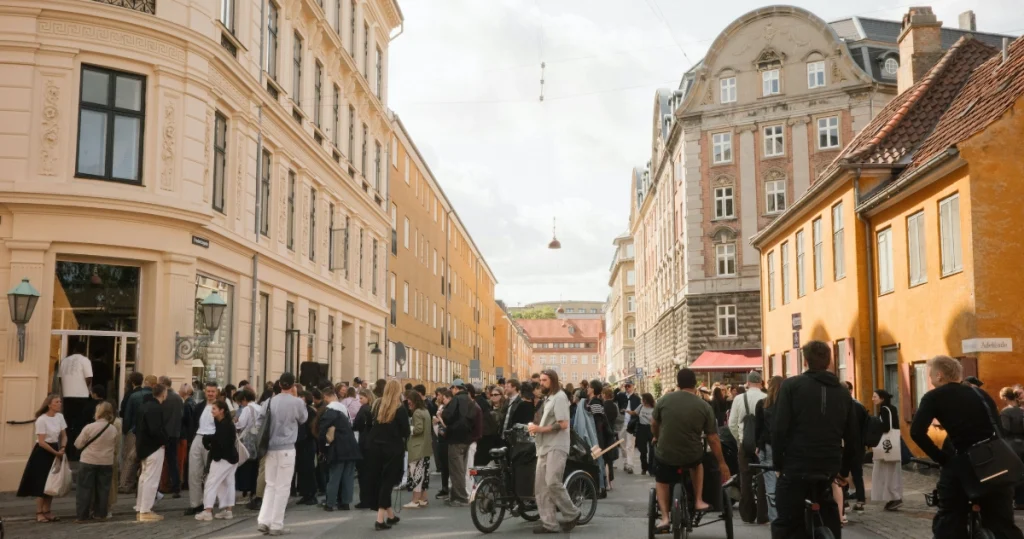
Copenhagen in June possesses a quality of light that exists nowhere else. A long, horizontal clarity that arrives from the side and makes everything, buildings, furniture displayed in shop windows, people moving through the streets, seem subtly illuminated from within.
In itself, it is a statement about Scandinavian design: material matters because light reveals it.
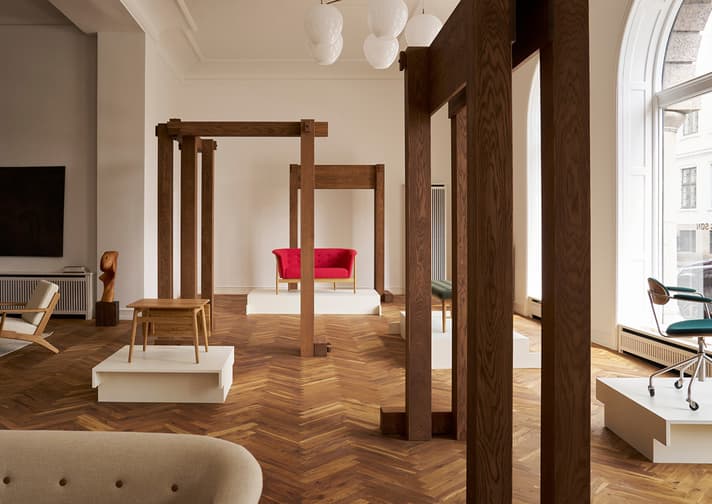
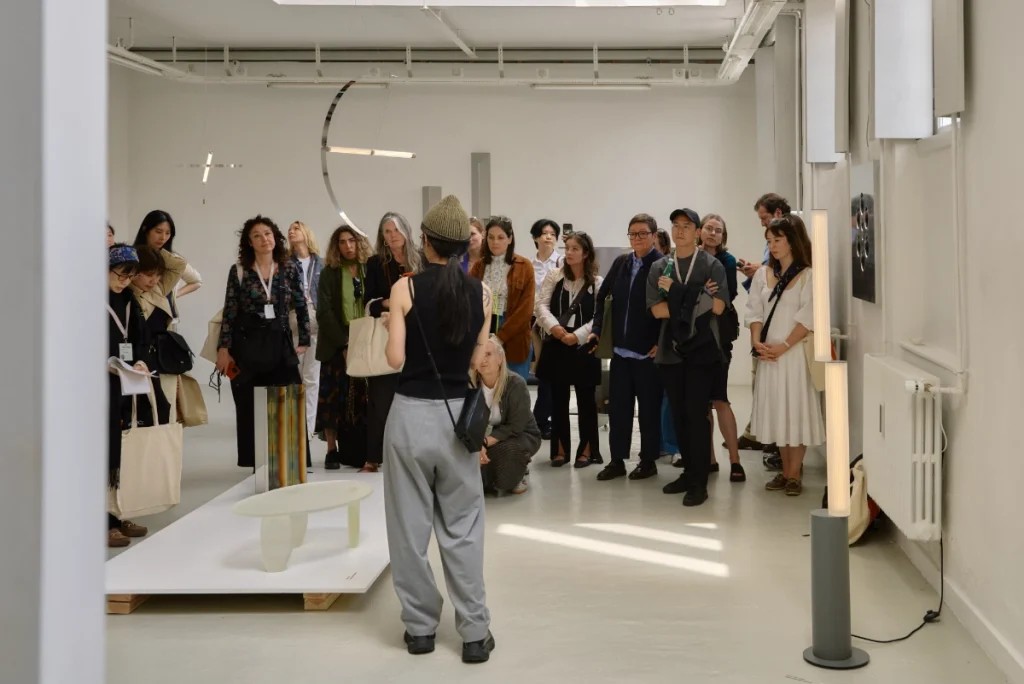
Every year, 3 Days of Design unfolds within this setting. It is not a trade fair. There are no exhibition halls, no booths, no silent pressure of paid square metres. Instead, an entire city opens its doors. Showrooms, studios, galleries, historic buildings and hidden courtyards invite visitors to enter, touch, sit and stay.
The 2026 edition, under the theme Make This Moment Matter, carried a clear intention: to celebrate design not as trend, but as presence. As the element that transforms a space into a place and a moment into a memory.
Desenhabitado was there.
And we returned with more than photographs.
There are brands that are visited in the way one visits a museum: with respect, distance and the awareness of standing before something that already belongs to history.
Carl Hansen & Søn is one of them.
Or rather, it is that and its opposite at the same time.
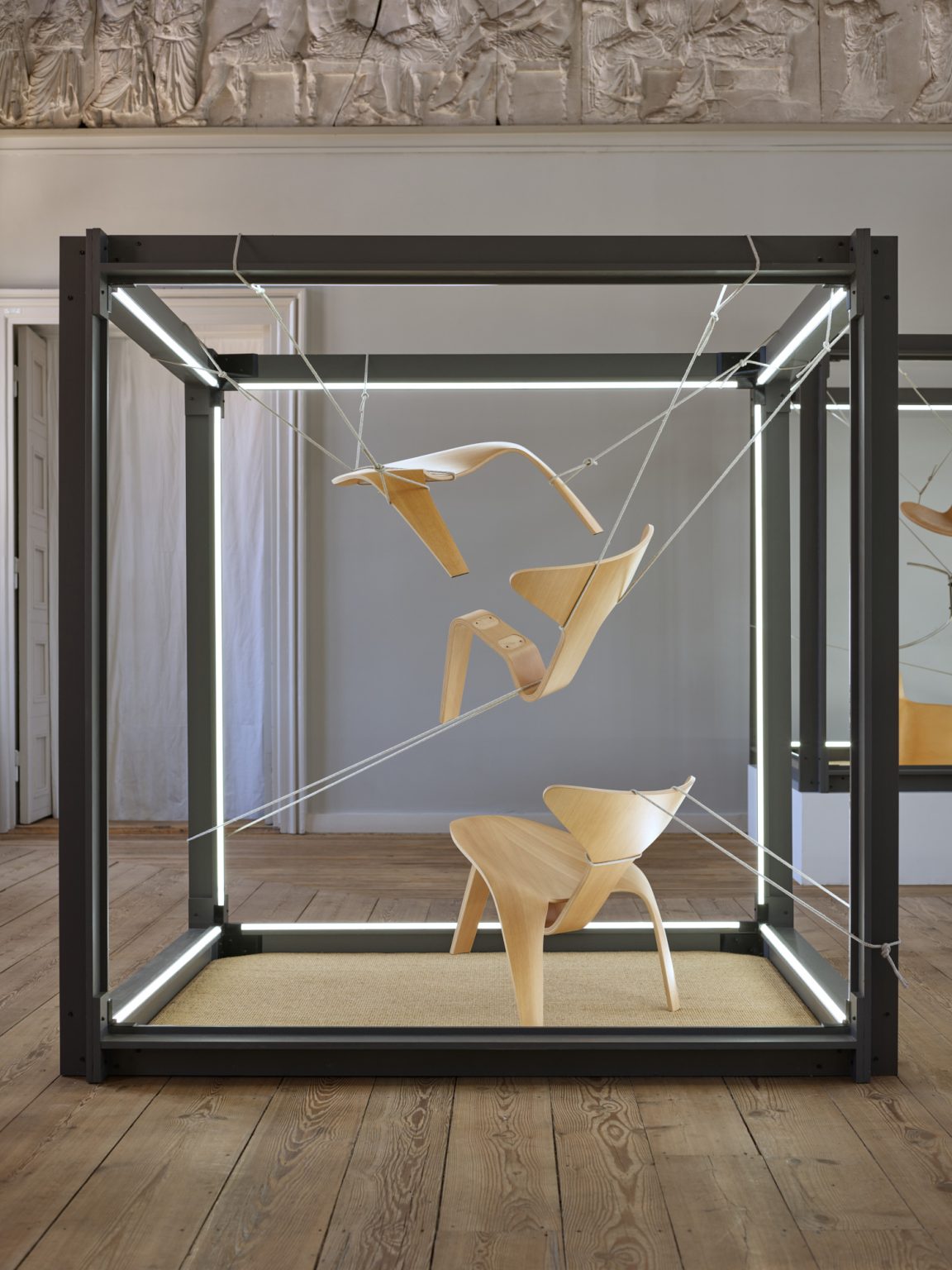
The Wishbone Chair, Hans J. Wegner’s celebrated CH24, designed in 1949 and produced continuously in Denmark ever since, remains a chair intended to be used. Not a relic. Not a collector’s piece.
A chair that receives the body with a naturalness only truly well-designed objects can achieve.
The hand touching the backrest understands before the mind has time to explain.
Seeing Carl Hansen & Søn in its original context is to realise that there is no contradiction between the classic and the contemporary. There is only the distinction between what endures and what passes.
The oak, walnut and cherry wood found throughout the works of Wegner, Frits Henningsen and Ole Wanscher have not aged. They have deepened.
“The hand touching the backrest understands before the mind has time to explain. That is what separates design that lasts from design that merely impresses.”
We represent Carl Hansen & Søn in Portugal because we believe this is the kind of furniture every ambitious residential project deserves.
Not as a historical reference, but as a living choice. Pieces that are used, that wear gracefully and that improve with time.
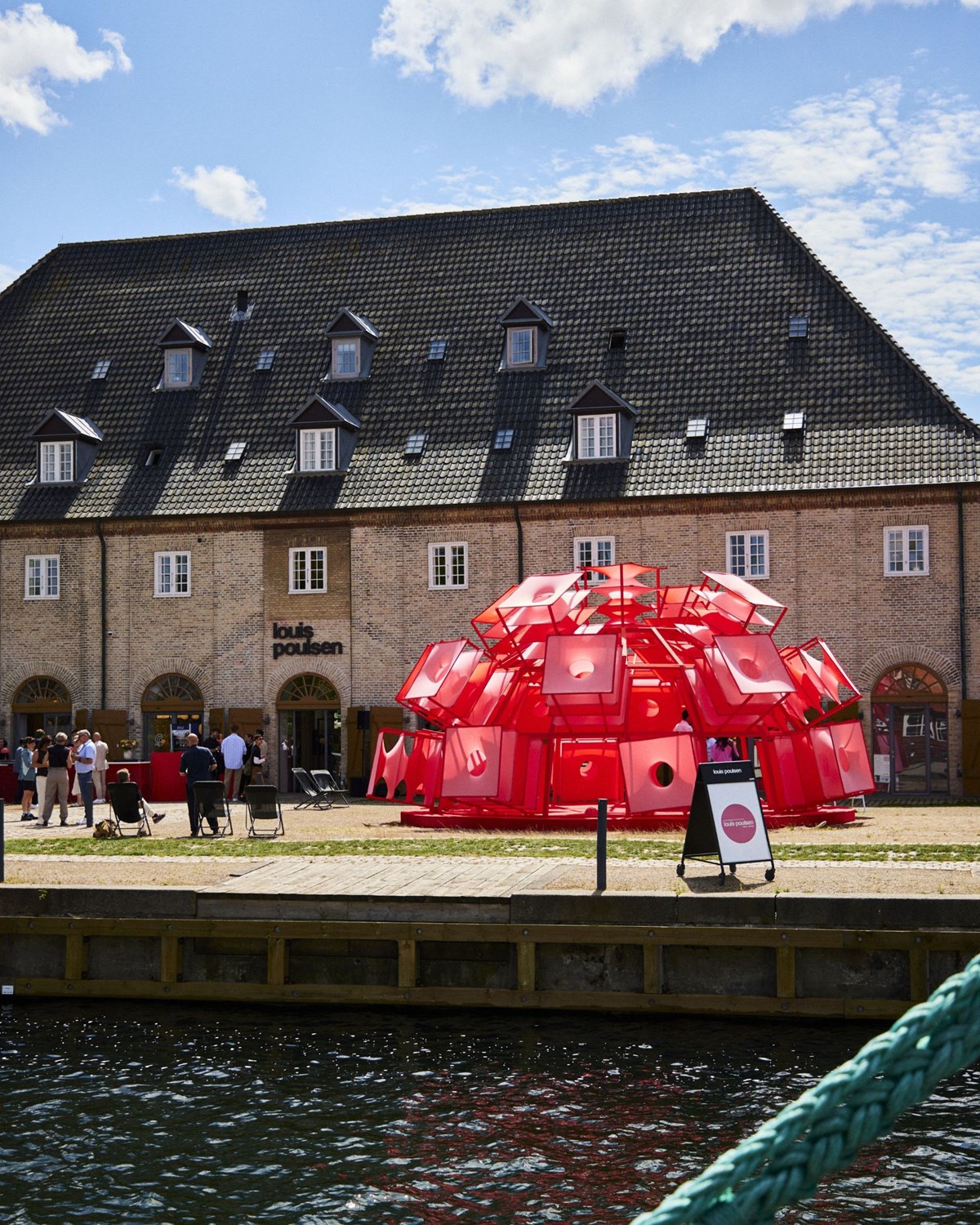
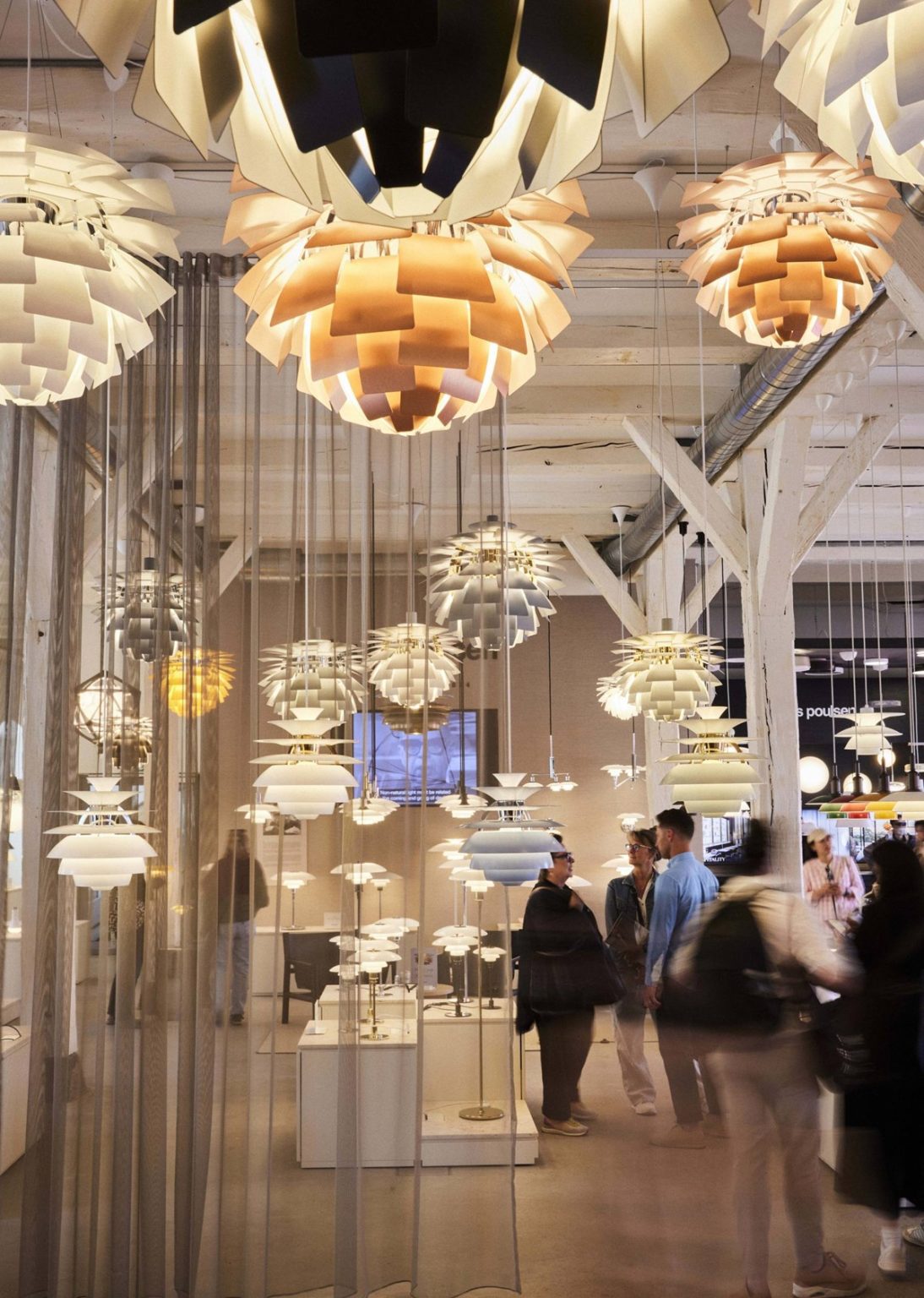
Few brands in the world of design think about light with the same depth as Louis Poulsen.
And that is not a marketing statement. It is simply an observation about what happens when you enter a space illuminated by its pieces.
The PH 5, designed by Poul Henningsen in 1958, is not merely a pendant lamp. It is a glare-control system resolved with such elegance that the final result becomes invisible.
Light reaches the table surface without the eye ever encountering its source.
Only comfort.
Only presence.
The engineering disappears entirely in service of the experience.
Throughout Copenhagen, Louis Poulsen is present in a way that is almost imperceptible. In restaurants, hotels and domestic interiors glimpsed through windows at the end of the day.
Not as a trend, but as the natural choice of those who understand the importance of a well-considered lighting environment.
“The best lighting is the lighting you do not notice. What you experience instead is the space itself, warmer, calmer and more complete.”
For Desenhabitado, Louis Poulsen embodies precisely this principle: light is not an accessory within an interior project. It is one of its most fundamental decisions.
Three days in Copenhagen reaffirmed this with a clarity no catalogue can fully communicate.
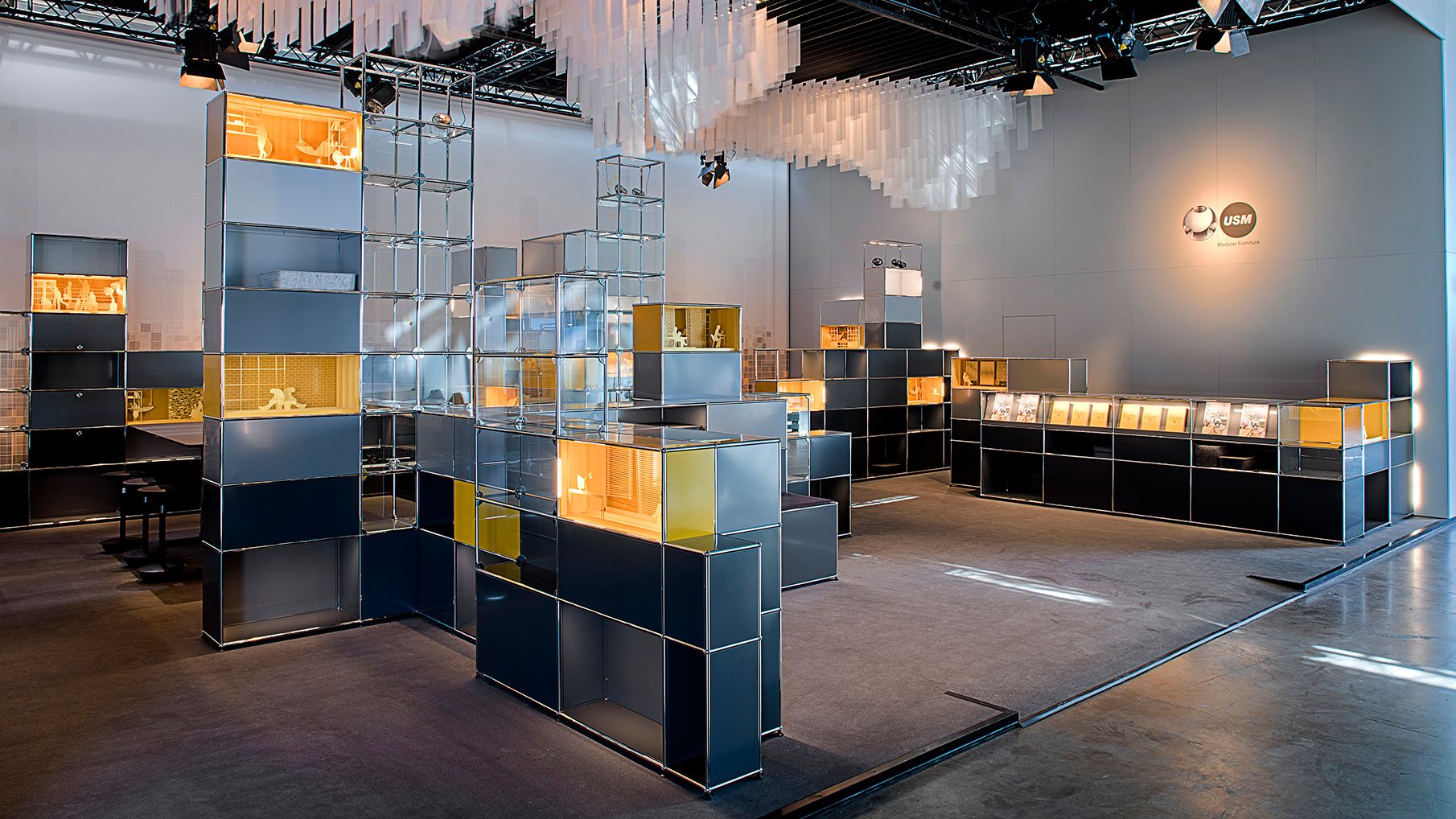
The USM Haller system was designed by Fritz Haller in 1963 as a storage solution for the company’s headquarters in Suhr, Switzerland.
Since then, it has not changed.
Not because nobody has attempted to improve it, but because there is very little to improve when the logic is resolved from the beginning.
The chrome-plated spheres, connectors, coloured panels and steel profiles possess a rare honesty. The system reveals its construction openly, with no need for disguise.
There are no coverings hiding the method.
What you see is exactly what it is.
And what it is continues to function perfectly six decades later.
Seeing USM in Copenhagen, integrated into a city that treats design with seriousness, makes it easy to understand why it remains an international reference.
Not because of nostalgia.
Not because of accumulated reputation.
But because the system continues to perform with an effectiveness few have matched, and because its presence never conflicts with the spaces it inhabits.
It coexists with everything.
“Six decades. The same system. No updates required. That is what design with conviction looks like.”
There is something Copenhagen does to the eye of anyone who works with design.
It is not inspiration in the superficial sense. You do not return with a list of trends or products to replicate.
You return with calibration.
A sharper ability to distinguish what is serious from what is merely decorative.
Christianshavn, the district that hosted many of this year’s exhibitions, embodies this quality. Canals, ochre façades and eighteenth-century buildings with timber floors that creak underfoot. It is the kind of setting that requires contemporary design to justify its presence.
Not through words, but through substance.
The objects that succeed here do so because they possess character of their own, not because they have been photographed well.
For three days we walked the city asking the same question:
What does this object bring to a space that the space did not already possess without it?
It is a simple question.
And it remains one of the most difficult to answer well.
Carl Hansen & Søn, Louis Poulsen and USM answer it with consistency, material integrity and an honesty that does not depend on context.
These are brands that existed before trends and will exist long after them.
That is precisely why we represent them.
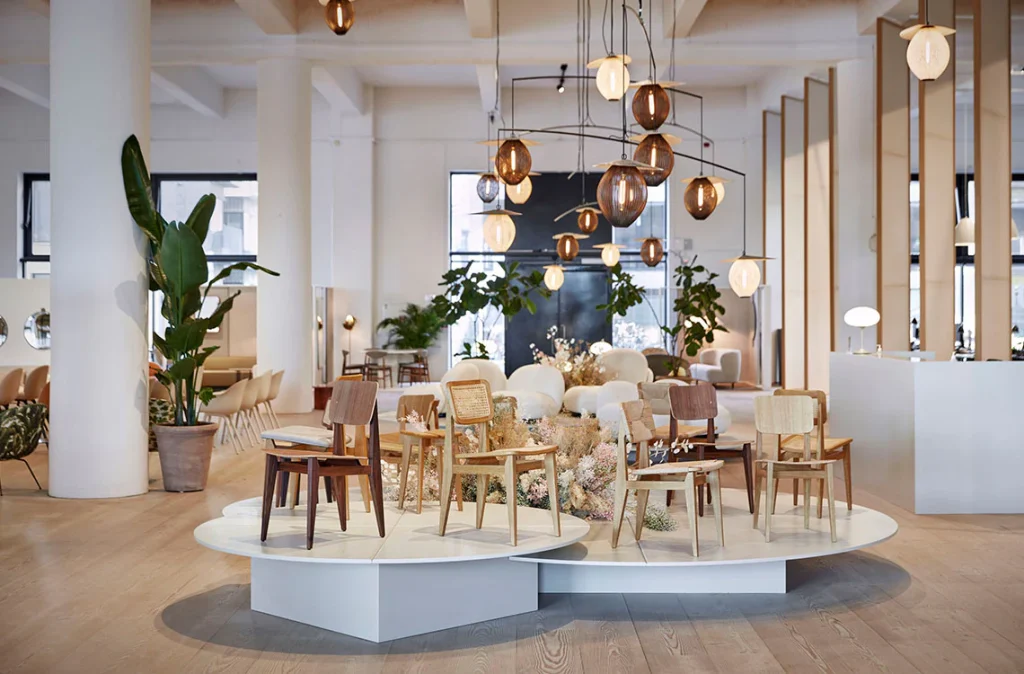
Three days in Copenhagen are not enough to see everything the city has to offer.
They are enough, however, to return with a recalibrated perspective that takes weeks to settle.
What 3 Days of Design does better than almost any other event is place design within its natural context: use.
Not exhibition. Not photography. Not the press release.
The body that sits. The hand that touches. The light that changes how a space is experienced.
It is within this context that objects reveal what they truly are.
Carl Hansen & Søn confirms that there is no substitute for expertly crafted wood.
Louis Poulsen confirms that light is a design decision, not an accessory.
USM confirms that good structural logic does not age.
We returned with the conviction that what we do in Lisbon, within our showroom, our projects and our conversations with architects, designers and clients, belongs to something larger.
A way of thinking about space and objects that is neither Portuguese, Scandinavian nor Japanese. It is simply serious. “Design that withstands time was never created to impress. It was created to be lived with.”
Carl Hansen & Søn, Louis Poulsen and USM are all represented in the Desenhabitado showroom in Lisbon.
If this article has sparked your curiosity, the best way to satisfy it remains the same as it has always been:
See. Touch. Sit. Stay.
Desenhabitado Showroom – Lisbon
Book a visit and experience these brands within the context they were designed for: everyday life.