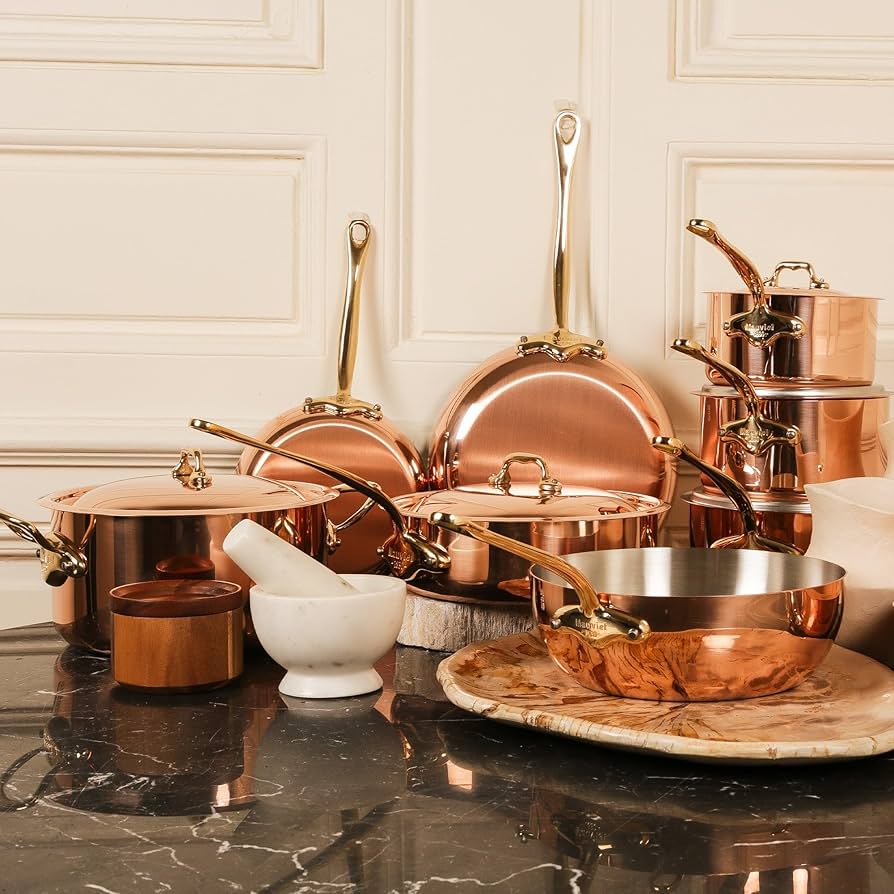
Culinary performance and timeless elegance in the contemporary kitchen.
Some objects move beyond pure function and become part of the atmosphere of a home.
The
contemporary kitchen is no longer treated as a purely technical
environment. It has become an extension of the architectural language of
the house: a space for gathering, ritual and everyday living.
Within this context, cookware now occupies a different role.
It is no longer hidden behind cabinetry. It contributes to the visual identity of the space.
This is precisely why Mauviel remains relevant almost two centuries after its foundation.
Established
in 1830 in Villedieu-les-Poêles, Normandy, the French heritage brand
built its reputation through copper craftsmanship, material precision
and premium cookware designed to endure across generations.
More
than French cookware, Mauviel represents a particular vision of the
kitchen: one where performance, materiality and aesthetics coexist
naturally.
The French tradition of copper.
There is a clear difference between an object designed for immediate use and one created to remain meaningful over time.
Mauviel belongs to the latter.
The
brand’s connection to copper craftsmanship originates in
Villedieu-les-Poêles, a French town historically associated with
metalworking traditions. That heritage continues to define the
collections today.
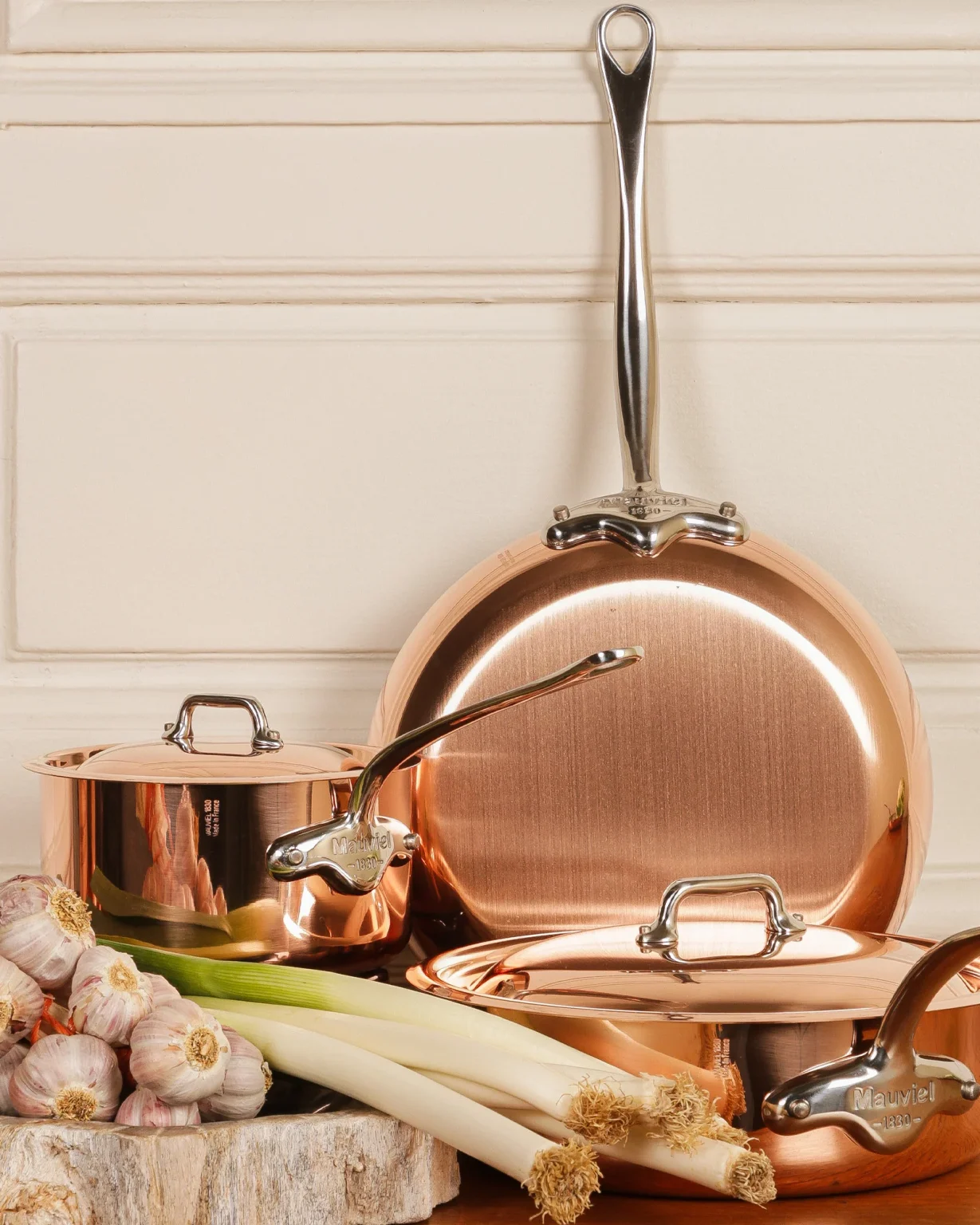
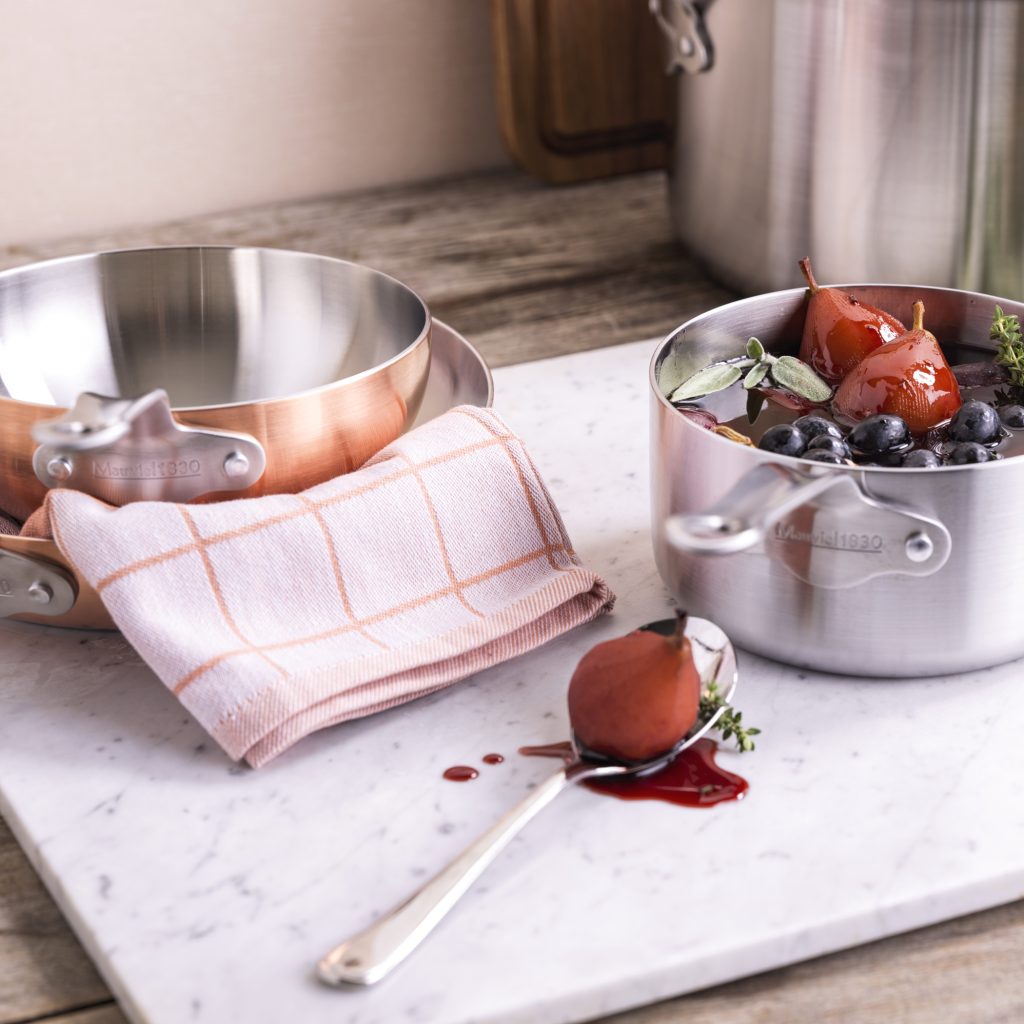
Copper
is valued not only for its appearance, but also for its remarkable
thermal conductivity, allowing greater precision during cooking.
Yet perhaps the most compelling quality of copper lies elsewhere.
Unlike
overly industrial materials, copper evolves over time. It develops
subtle tonal variations, reflections and traces of use that make each
piece increasingly personal.
In this sense, cookware becomes part of the emotional architecture of the home.
The kitchen as a visual space.
A premium kitchen is not defined solely by cabinetry, appliances or stone surfaces.
It is equally shaped by the objects that inhabit it.
A
suspended copper pan above a kitchen island. Carefully selected
utensils displayed on open shelving. The way light moves across metallic
surfaces at the end of the day.
These details influence the atmosphere of the space.
This
is why brands such as Mauviel have become increasingly relevant within
contemporary interior design. Cookware is no longer viewed purely as a
culinary tool, but as part of the material composition of the home.
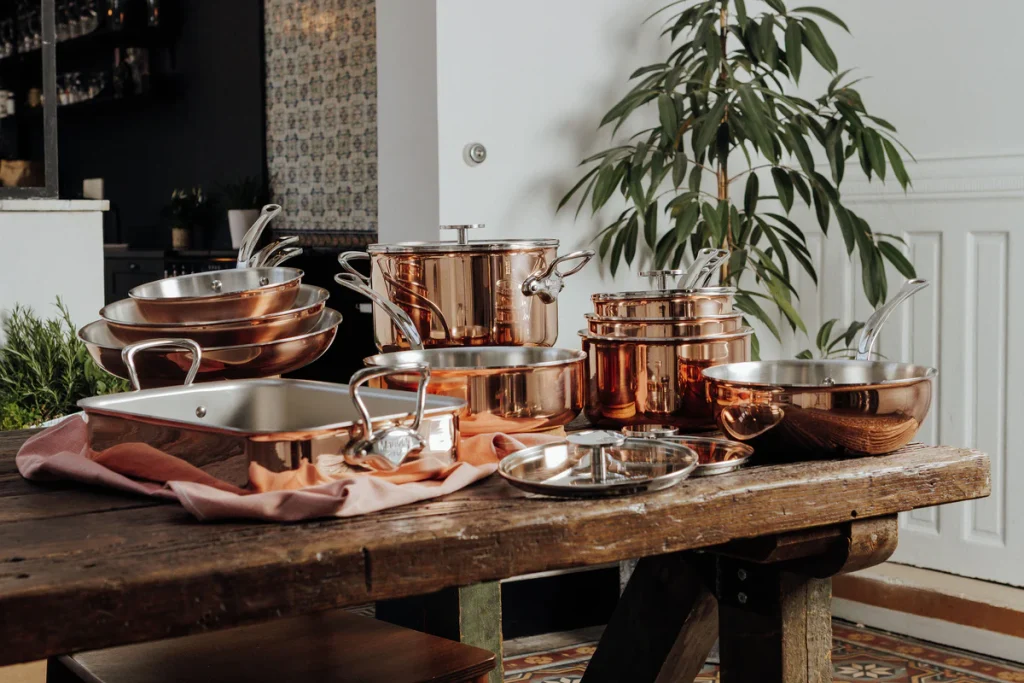
In
contemporary kitchens, copper introduces warmth alongside stone, timber
and more restrained architectural lines. In minimalist interiors, it
adds depth without disrupting simplicity. In classical environments, it
reinforces permanence and continuity.
The balance emerges from the dialogue between functionality and visual presence.
Mauviel and the kitchen as a design space.
For many years, kitchen design focused primarily on cabinetry, appliances and functional organisation.
Today, the approach is different.
The
contemporary kitchen has become socially and visually integrated into
the architecture of the home. Consequently, objects now play a far more
significant role in shaping atmosphere.
Premium cookware introduces texture, reflection and material richness.
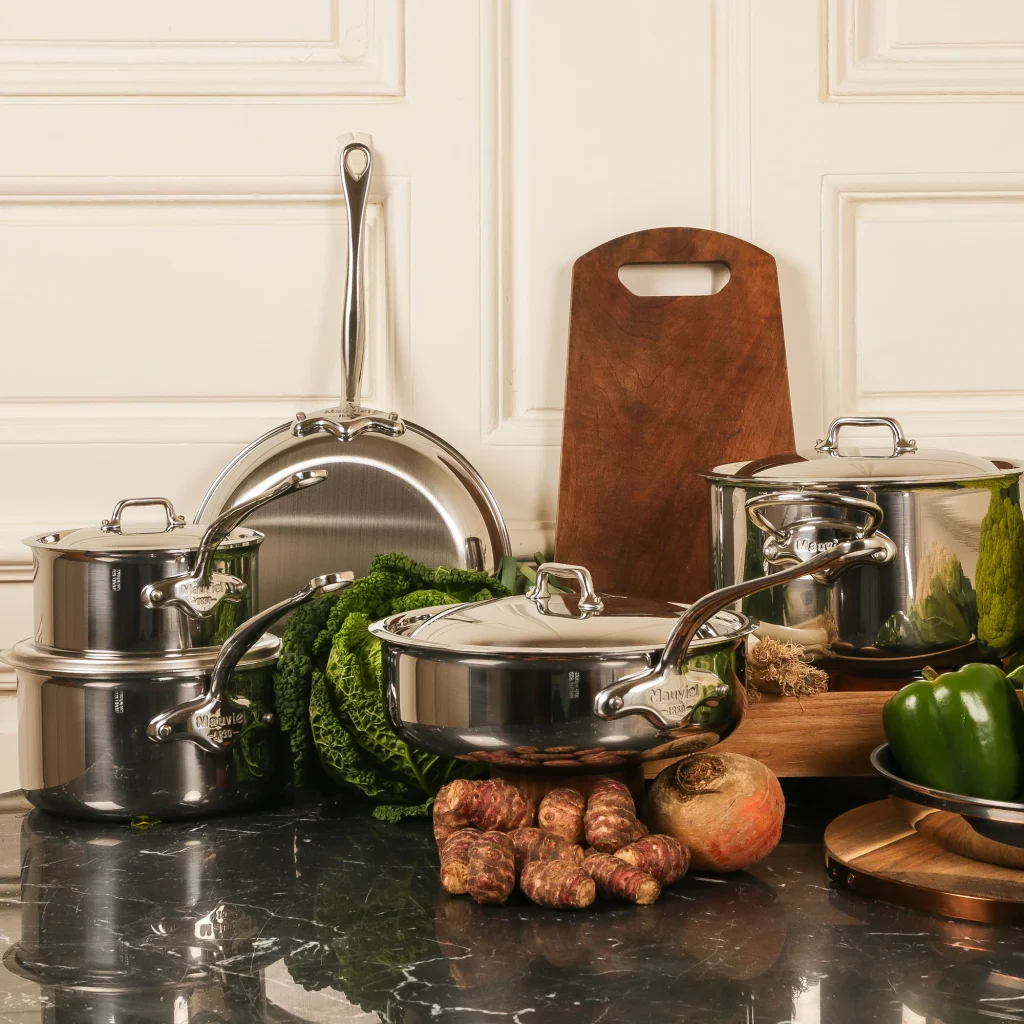
Copper
interacts with light almost architecturally. Stainless steel adds
visual clarity and durability. Together, these materials help create
kitchens that feel sophisticated, warm and enduring.
This
is also why many contemporary kitchens intentionally leave selected
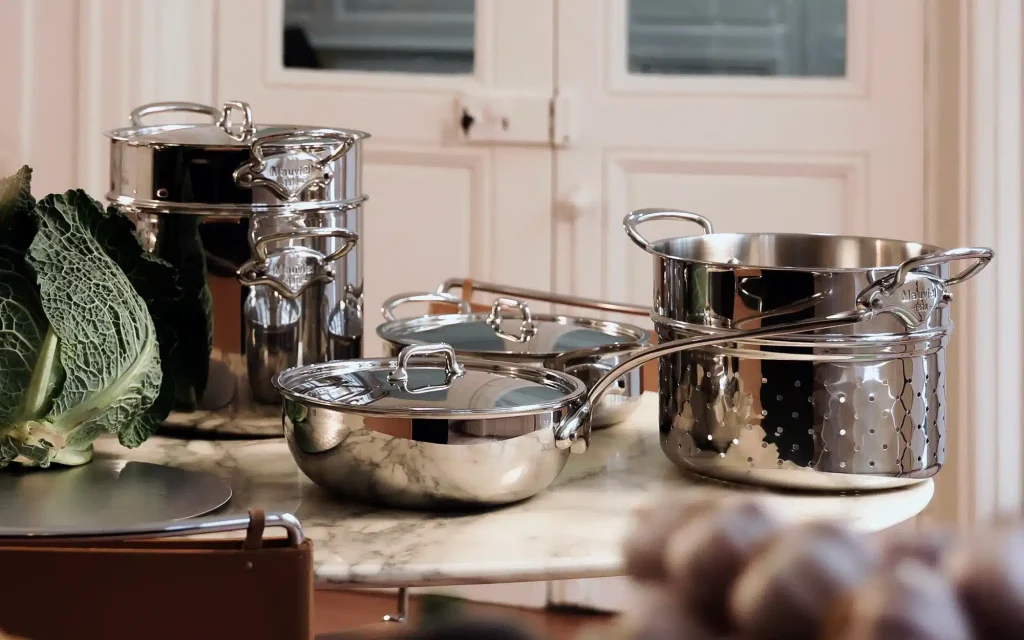
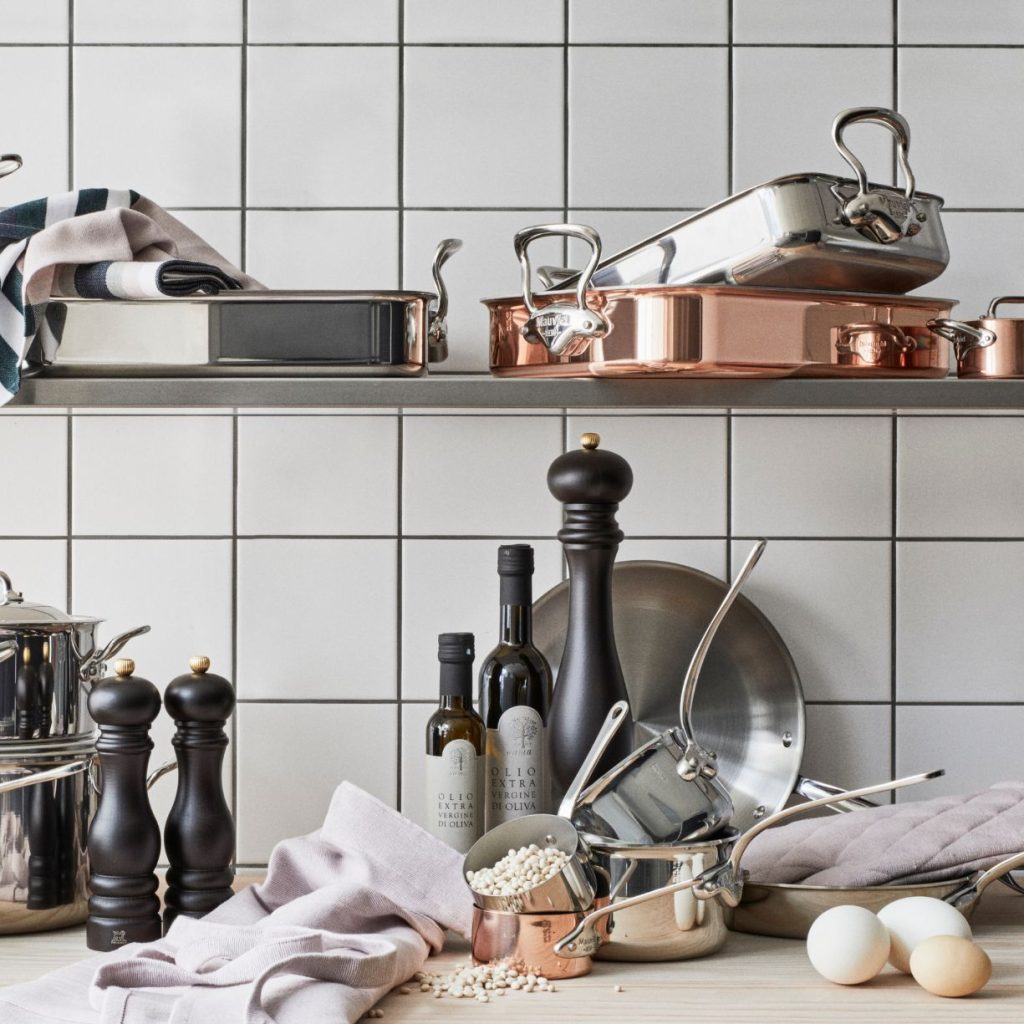
cookware visible. Open shelving, glazed cabinetry and curated display
solutions allow French cookware and refined kitchen accessories to
become subtle decorative elements.
When chosen carefully, these objects contribute directly to the identity of the interior.
How to integrate Mauviel into an interior design project.
Premium cookware should be integrated as part of the broader material language of the home.
Natural materials. Mauviel collections work particularly well alongside marble, quartzite, limestone and neutral mineral surfaces.
Warm timber and cabinetry. Natural oak, smoked timber and warm lacquered cabinetry reinforce the tactile quality of the kitchen.
Diffused lighting. Lighting
plays a central role when working with copper. Indirect light and
carefully positioned pendants help reveal depth and reflection.
Open shelving and vitrines. Rather
than concealing every object, many premium kitchens display carefully
selected cookware as part of the visual composition.
Kitchens with islands. In kitchens organised around a central island, cookware becomes even more visible within the overall spatial composition.
Contemporary and classical interiors. One
of Mauviel’s strengths lies in its versatility. The collections
integrate naturally into contemporary minimalist kitchens, updated
classical interiors and more eclectic spaces.
The Desenhabitado approach.
At Desenhabitado, the kitchen is approached as a living environment rather than simply a functional area.
Each project seeks balance between architecture, materials, lighting and objects.
It is precisely within this process of curation that brands such as Mauviel become relevant.
Copper, stainless steel and noble materials contribute to interiors that feel more authentic, enduring and visually balanced.
As
a Lisbon-based interior design studio, Desenhabitado develops
residential interiors where premium kitchens, tailored solutions and
European design coexist naturally.
Rather than following temporary trends, the focus remains on longevity, material honesty and quiet sophistication.
What remains.
The longevity of a brand such as Mauviel reveals something essential about timeless design.
True quality rarely depends on excess.
It depends on proportion, materiality, precision and the ability of an object to remain relevant over time.
As
the kitchen continues to occupy a central place within the contemporary
home, cookware becomes more than a culinary instrument.
It becomes part of the emotional architecture of the space.